Recently, my husband asked me a question that stopped me in my tracks.
“What do you do for fun?”
I answered confidently.
“I blog. I read my Bible. I cook.”
He paused.
“No, no, no,” he said. “Those are productive things. What do you do just for fun?”
And just like that, I realized I didn’t have an answer.
Not a real one.
If you know me, you know I’m someone who likes to use my time well. I’m always building something; writing, planning, organizing, serving, creating. Productivity isn’t just a habit for me; it’s almost a way of life.
So when I have downtime, my instinct isn’t to relax.
My instinct is to fill the gap.
I’ll clean something.
Cook something.
Finish a task.
Volunteer for something.
Strategize something.
And I genuinely enjoy those things.
But that night it hit me: enjoyment and fun might not be the same thing.
A slightly embarrassing realization
Later I started thinking about the question again.
What do I do for fun?
And the honest answer was… nothing.
Not because I’m miserable. My life is full and meaningful. But I’ve optimized my life so heavily for efficiency that I’ve quietly eliminated most things that don’t produce something.
Case in point: I shaved my head.
People sometimes assume that was some kind of bold fashion decision.
In reality, it was a productivity decision.
Hair requires maintenance. Time. Products. Attention.
So I removed the system.
Problem solved.
Except maybe that mindset followed me into other areas of life too.
Somewhere along the way, I stopped doing things that were simply… pointless.

So I did something unusual
Instead of immediately turning this realization into another productivity project (which would have been very on brand for me), I decided to do something different.
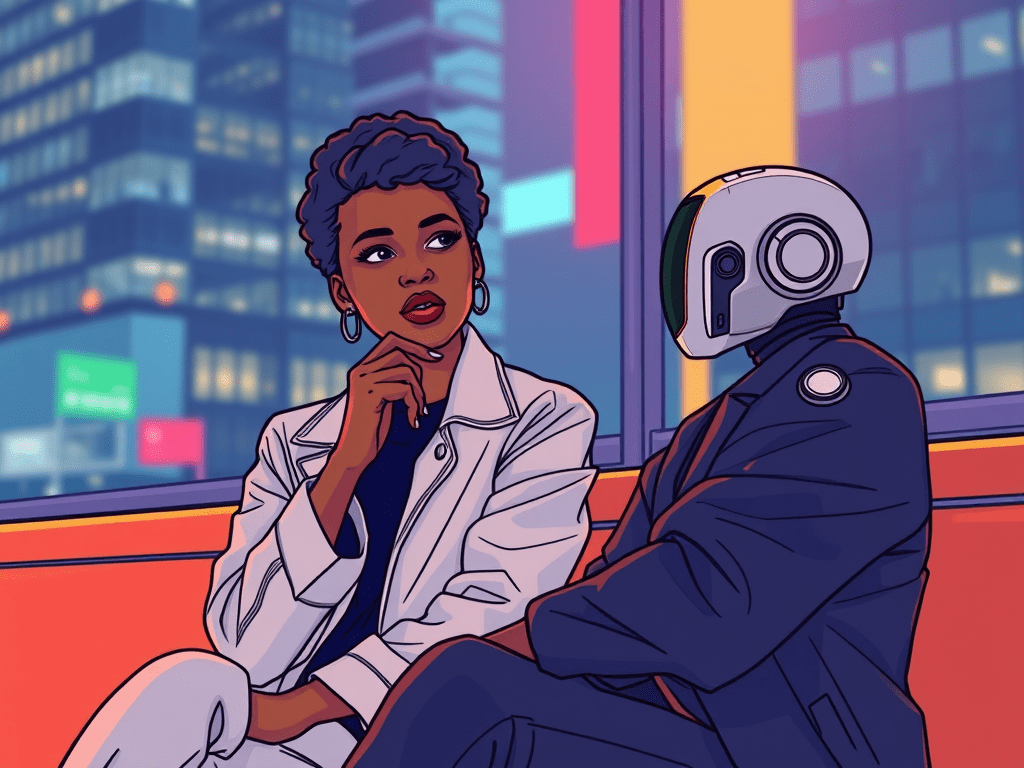
I opened a conversation with my AI thinking partner and asked a strange question:
“How does someone learn to have fun?”
Yes, I know.
Talking to AI about fun might be the least fun-sounding activity imaginable.
But the conversation ended up uncovering something surprising.
The AI asked me a question that I couldn’t answer right away:
“When was the last time you lost track of time doing something joyful?”
I sat there.
And realized I couldn’t remember.
Not because I’ve never been joyful.
But because I rarely give myself permission to enter experiences that have no outcome.
My version of rest
This conversation started bumping into something deeper for me: Sabbath.
As a Christian, I believe deeply in rest.
But when I thought about it honestly, my version of Sabbath often looks like this:
Church.
Reading Scripture.
Reflecting quietly.
All good things.
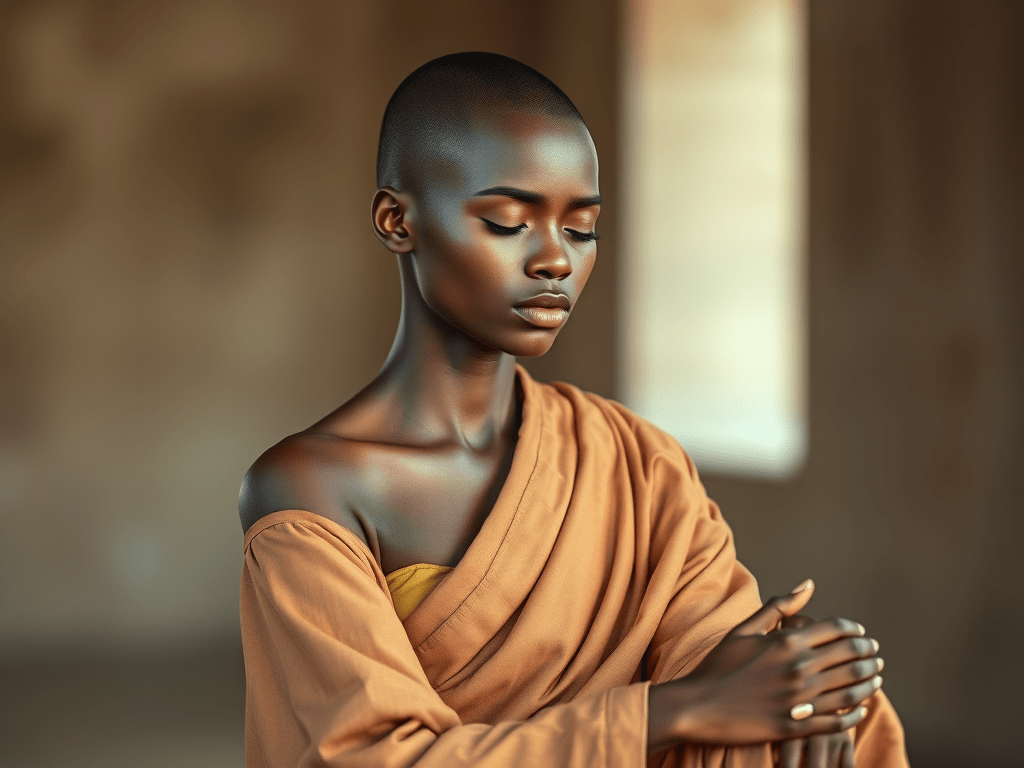
But I realized something: I’ve been treating rest almost like a monk.
Contemplative. Reflective. Still.
But what about joy?
What about delight?
What about laughter, music, and beauty?
If the Sabbath was created for rest, maybe it wasn’t meant to feel like a productivity break.
Maybe it was meant to feel like celebration.
Then a memory surfaced
During that conversation, the AI asked me another question:
“When was the last time you felt awe?”
At first, I couldn’t think of anything.
And then suddenly I remembered something.
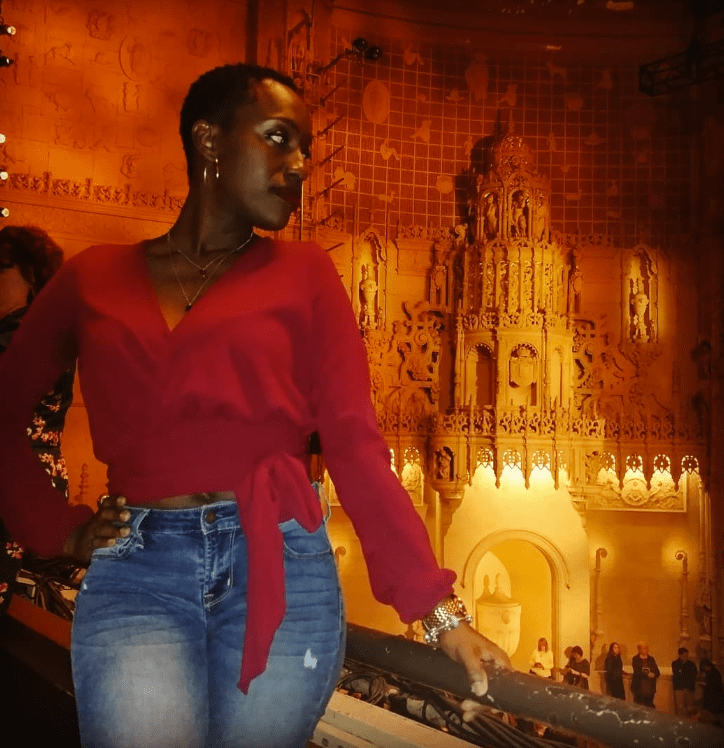
Years ago I went to see Hamilton on Broadway.
And I remember sitting there completely captivated.
Maybe fun looks like beauty.
The music.
The voices.
The lights.
The choreography.
I could see the conductor from my seat, moving rhythmically with the orchestra. I could feel the vibrations of the music. I could see the emotion on the actors’ faces.
It was beautiful.
I wasn’t analyzing it.
I wasn’t trying to learn something.
I wasn’t producing anything.
I was just… receiving it.
And I realized something.
Maybe fun, for me, doesn’t look like parties or games or adrenaline.
Maybe fun looks like beauty.
Music.
Story.
Art.
Moments where I get to witness human creativity unfolding and simply be moved by it.
Another realization
At one point in the conversation, we started talking about singing.
I used to sing a lot.
But somewhere along the way, singing became something else.
Performance.
Expectation.
Monetization.
It stopped being joy and started being output.
And once that happened, I quietly stopped doing it.
Not because I didn’t love music.
But because it stopped feeling free.
What I’m learning
I’m 40 years old, and I’m realizing something humbling:
I might actually be learning how to have fun for the first time.
Not in the sense that my life lacked joy.
But in the sense that I’ve spent decades optimizing my time for usefulness.
And usefulness is not the same thing as delight.
So maybe this season of life isn’t about adding another goal or another system.
Maybe it’s about rediscovering beauty.
Listening to music.
Going to a play.
Laughing.
Singing again—not for performance, not for a stage, but simply because voices and rhythm and melody are gifts God placed in the world.
Maybe this is part of rest
Lovely things are not always productive. They’re simply beautiful.
Lately I’ve been thinking about a verse that says:
“Whatever things are true… honest… just… pure… lovely… of good report… think on these things.”
Lovely.
That word stands out to me now.
Because lovely things are not always productive.
They’re simply beautiful.
And maybe learning to have fun is really just learning to make space for the lovely things again.
If you’re someone who’s spent most of your life building, serving, producing, and optimizing…
You might recognize this question too.
So I’ll end with the same one I’m now asking myself:
What do you do simply because it brings you joy?
I’m still figuring out my answer.
And honestly, that discovery might be part of the fun.




 Nouriched: Eat, Move and Rest Your way to Wellness
Leave a comment